A Thoughtful Guide to Graduation Flowers
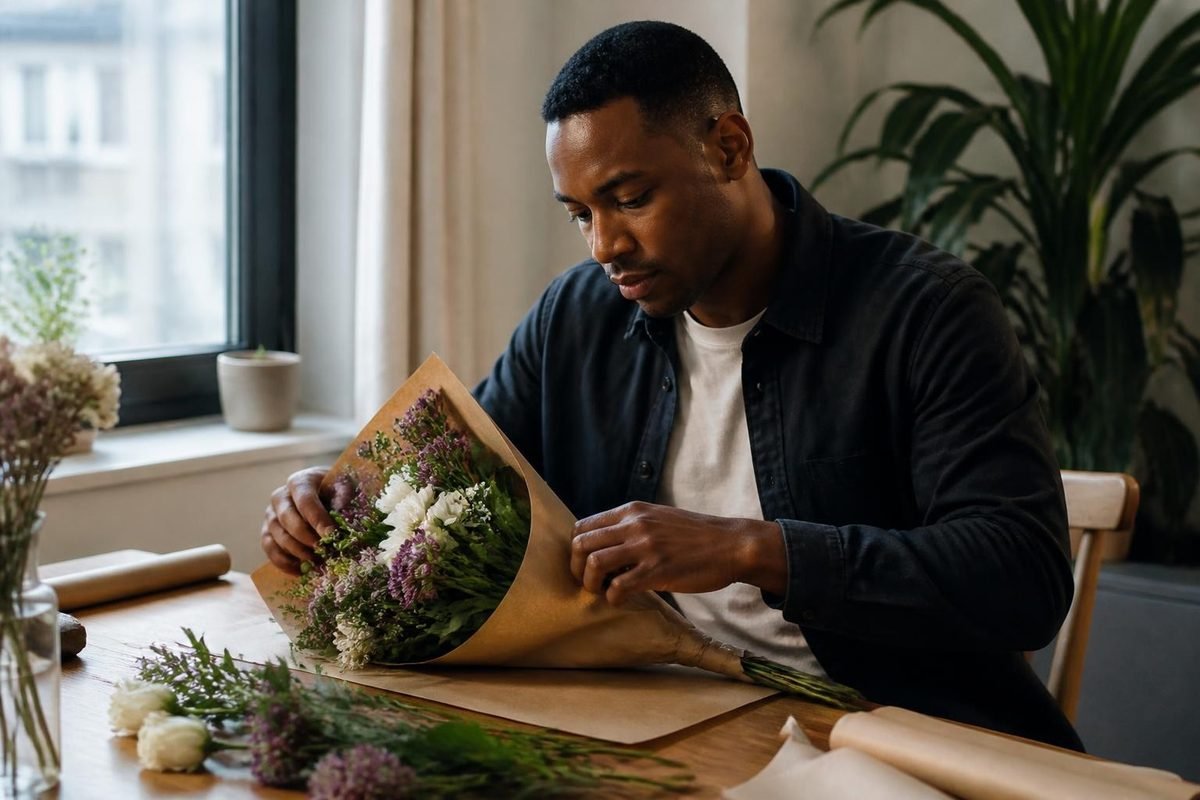
For graduation flowers with a lighter footprint, consider their growing methods, journey to the ceremony and end of life. Seasonal stems, useful answers from the seller and uncomplicated wrapping are sensible places to begin.
Let the season guide your choice
Ask what is flowering near the ceremony venue at that time of year. A local florist or grower may be able to offer stems from nearby fields, instead of flowers shipped from farther away. Availability shifts with the weather, so it helps to stay flexible about the particular varieties.
Nearby flowers can be a good option, but a short journey is not the only detail that matters. Growing flowers in a heated greenhouse also takes energy. If the seller can explain both where the flowers came from and how they were grown, consider those details together.
Choose a color scheme instead of holding out for one exact flower. You can still make the bouquet feel personal with the graduate’s favorite colors, even if the available stems differ from your first choice. Foliage grown in the same area can bring extra shape without turning the arrangement into a complicated production.
Find out how the flowers were grown
A seller who can answer clear questions is a useful starting point. Ask where the flowers were grown, whether they came from an outdoor field or a heated greenhouse, and how the farm handles pests and looks after its soil.
Environmental labels may appear on flowers or at a stall. Ask what a certification actually covers rather than treating it as a guarantee about every part of production. Some standards deal with specific growing practices; others may cover social conditions too. If an environmental claim is hard to understand, asking for an explanation is perfectly reasonable.
There may not be an ideal choice available on the day. Use the information you can get and give priority to what matters most to you. A modest bouquet from a grower who can describe their approach may suit your needs well.
Reduce wrapping and deal with leftovers
Request as little packaging as practical. Paper held with string can carry a hand tied bouquet, and it is simpler to sort than several materials bundled together. If the graduate does not care about decorative extras, leave out plastic ribbon and other unnecessary additions.
Think about carrying the flowers through the ceremony, photos and rounds of greetings. A small bouquet is easier to hold during all that standing around. Ask for the stems to be secured neatly, then keep them in water until it is time to go.
Once home, place the flowers in a clean vase filled with fresh water. Take off any leaves that would sit underwater and trim the stems. After the flowers fade, compost them if local facilities accept flowers. Remove string, ties and other materials that are not plant matter first.
Common questions about graduation bouquets
Are dried flowers a greener option?
Dried flowers can last far longer than fresh ones, so they may work well as a keepsake. Their impact still depends on how they were grown, processed and packaged. Ask whether dyes were used, and avoid wrapping the flowers more than needed.
Would a potted plant make a good gift?
It can. Pick a plant that suits the graduate’s available space and the light there. First check that they would like one and have time to care for it, particularly if they are about to move. A plant is a lovely gift only if it has somewhere to live.
More to read: https://tiffest.com/flowers-on-set-and-at-premieres-how-events-use-floral-design/